

My belief on the role of Government
Stewarding What We Own Together
Council’s primary job is to safeguard our shared assets. From roads, water mains, and sidewalks to parks, recreation facilities, and public safety infrastructure, these public goods must be maintained to serve our community for generations. Running a municipality requires looking beyond a short-term corporate mindset. Cutting corners or deferring maintenance to save a dollar today simply shifts a much larger financial burden onto future taxpayers. Responsible governance means making sound investments today to keep Langford financially and structurally resilient.
Stewarding Growth for the Whole Community
Unmanaged development creates long-term costs without delivering community benefits. I believe that the role of council is to actively shape growth so that it works for current residents while preparing for our future. That means capturing the benefits of development, from more vibrant and diverse commercial space to walkable urban centres, and expanded public amenities, while setting firm rules to protect existing neighbourhoods. Smart planning prevents costly infrastructure sprawl, which manages construction impacts and ensures that new development contributes its fair share toward the public infrastructure it relies on.


Fiscal realism and taking care of what we own
If you ignore a leaking roof on your house to save a dollar today, it will cost you ten times more when the ceiling caves in tomorrow. It’s the same with a city.
True fiscal responsibility means being honest about what it actually costs to run a city, making sound investments to protect our shared assets, and establishing a predictable, stable financial foundation for Langford.

Fixing years of deferred maintenance and ending the practice of using temporary developer funds for daily operations required tough, transparent choices. That heavy lifting is now complete. Having addressed the underlying structural deficit, Langford’s long-term financial plan shifts from recovery to stability, locking in manageable and predictable tax rates going forward.
Cities across Canada face infrastructure crises when decades of neglected maintenance finally catch up to them. Langford experienced this directly when the city was forced to sell off the North Langford (Bear Mountain) Recreation Centre because funds had not been set aside to maintain it. Langford is no longer a young city. While developer contributions helped build much of our initial infrastructure, ongoing maintenance and replacement fall strictly on us. To fix this, we established Langford’s first Asset Management Plan. In 2022, only 20% of our future infrastructure liabilities were funded; through our work this term, we are on track to cover 80% by 2030. Taking care of what we own protects taxpayer dollars, ensures community safety, and guarantees we never build new facilities at the expense of maintaining existing ones.
Langford relies on private contractors for many daily operations and public facilities. Taking a fiscal, evidence-based approach requires routinely auditing these legacy agreements to verify they deliver genuine value for taxpayers. Our reviews this term showed a mixed picture. While several contracted services perform exceptionally well, others fall short on service quality or cost-effectiveness. My commitment is to keep evaluating these partnerships purely on performance and value. Where private delivery works well, we will maintain those contracts. Where an agreement is underperforming or overpriced, we will renegotiate it or bring the service back in-house to protect public funds.
There is only one taxpayer. Whether your dollars go to the city, the province, or the federal government, they come out of the same paycheck. Senior levels of government distribute millions of dollars in infrastructure grants every year, but funding goes to cities with complete, actionable plans that are ready to execute. This term we completed the first of many of Langford’s master plans including the transportation and parks master plans, our city is now positioned to compete for and win these grant dollars. Having shovel-ready projects ensures the tax dollars you send to the provincial and federal governments come back home to pave our roads, build our sidewalks, new recreation centres and upgrade our parks, rather than funding infrastructure in other municipalities.

Community vibrancy, economic health and belonging
Growth is only useful if it makes daily life better for the people who already live here. This past term, we stopped doing piecemeal, one-off approvals and put Langford’s first real long-term community, park, and transportation plans (as well as others) in place. Now that the planning work is done, the focus shifts entirely to delivery.
Next term, my priority is getting these projects built, upgrading parks, expanding recreation, and supporting the local business hubs that keep your tax dollars working right here in Langford.
Regional partnerships spread the cost of large facilities across the municipalities that use them, so no single city’s taxpayers carry the full burden of regional demand.
Investing in local commercial hubs keeps spending, and jobs, close to home instead of leaking out to neighbouring municipalities.
Arts, festivals, and public events draw people downtown, and every visitor is a potential customer for a Langford business.
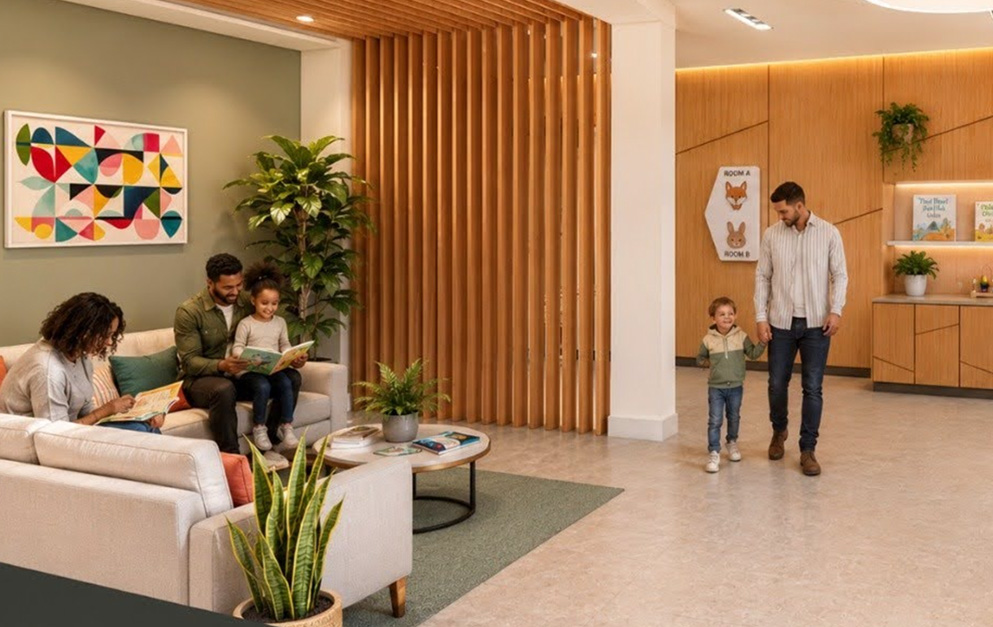
Building on our first clinic serving 12,500 families, the next step is securing land for a second clinic so more residents can attach to a family doctor close to home.
Direct partnership with local Nations, not just consultation, is how Langford builds a shared, fair economic future rooted in truth and mutual respect.

Civic wellbeing, livability & modern governance
Growth is only successful if Langford remains safe, navigable, and predictable for the people who live here. This foundation focuses on fiscal accountability in our largest budget areas and delivering on our physical planning commitments.
Over the next four years, my focus is delivering rigorous oversight to public safety spending, restoring neighbourhood predictability by strictly adhering to our Official Community Plan, and executing our transportation and green space plans.

Langford’s outdated 2008 plan led to years of ad-hoc amendments, leaving residents guessing about future land use on their streets. Growth requires clear boundaries, not endless site-specific exceptions. This term, we replaced that fragmented approach with a modern Official Community Plan and launched a public development tracker so residents can see every proposal in the pipeline. By focusing density along key urban corridors where infrastructure already exists, we protect existing single-family neighbourhoods. Next term, I will defend this community plan as the rule rather than a suggestion, restoring long-term predictability to our neighbourhoods.
Public safety is Langford’s single largest operational cost, and it demands the highest level of financial oversight. Blanket budget increases without clear performance metrics do not automatically make a community safer. This term, we brought accountability to this department by initiating an independent policing review to ensure any service expansions are backed by a solid business case. Next term, I will advocate for establishing a regional policing committee with our municipal partners to review detachment reports, track safety metrics, and audit shared budget allocations together, focusing strictly on community safety outcomes, not politics.
Relying entirely on developers for infrastructure meant legacy neighbourhoods like Mill Hill, Thetis Heights, and Goldstream Meadows were left behind. Waiting for a nearby development proposal is not an acceptable way to get basic sidewalks, crosswalks, or neighbourhood parks built. This term, we shifted priorities by doubling our sidewalk infill budget and redirecting developer contributions directly into safe routes to school. Next term, I will build on this work by using our adopted Master Transportation and Park plans to systematically fix traffic bottlenecks, expand sidewalk networks around schools, and protect green space so every part of Langford gets its fair share of investment.
Major transit investments stalled in our region for decades because local governments operated without a unified voice. In the past, Langford even voted against joining a regional transportation service, blocking the exact governance model required to qualify for major provincial and federal infrastructure grants. This term, we reversed that isolated approach and helped establish the CRD Regional Transportation Service to clear that hurdle. With a single regional authority now in place, we have the leverage needed to secure senior government funding. Next term, I will use this regional model to push for immediate bus service upgrades in Langford, free youth and senior transit, expand RapidBus corridors, protect dedicated transit rights-of-way, and position our region for future passenger rail investment.
Rapid growth should never come at the expense of existing residents’ day-to-day quality of life. Unmanaged building sites, blocked residential streets, and stalled developments create unnecessary safety hazards and disrupt quiet neighbourhoods. This term, we passed Langford’s first Construction Impact Management Strategy and modernised our Good Neighbour bylaws. These policies give municipal officers clear authority to issue fines and enforce rules against construction noise, dust, and unauthorised road closures. Next term, I will ensure these standards are strictly enforced, holding developers accountable for site maintenance and ensuring stalled or delayed building lots are kept clean, safe, and secure rather than left to decay.
We audited two decades of outdated regulatory frameworks, simplifying hundreds of scattered policies into a fraction of clear, modern rules that make navigating City Hall easier for residents and small businesses alike. Next term, we will maintain this systematic process of institutional renewal, ensuring that regulations are clear and enforceable — no one wants regulations or red tape that serves no purpose.
Clear financial oversight requires complete public access. In the past, municipal budget discussions lacked public records, and detailed financial data was locked in dense, multi-page spreadsheets that were difficult for residents to navigate or analyse. This term, we opened up the process by introducing clear, standardised financial reporting, user-friendly digital tools, and recorded public budget deliberations. Next term, I will expand this open-door approach by launching interactive online budget breakdowns and structured public consultation sessions, keeping the city’s financial planning open, accessible, and easy to inspect.
Below is the full list of major plans started, completed, and adopted under the direction of Mayor and Council during the 2022–2026 term. Aside from the Official Community Plan, which was refreshed for the first time since 2008, these represent Langford’s first-ever foundational plans. While most cities build these frameworks as they grow, Langford operated for decades in an ad-hoc fashion without a plan. Over the past four years, we caught up on decades of backlogged policy work to give our city the professional tools it has long needed.
While there are claims about the cost of this work, taxpayer dollars were not used to fund these plans; instead, we leveraged non-taxation revenues and grant funding. Furthermore, by establishing clear priorities for our city, we can demonstrate hard data and need to access provincial and federal infrastructure grants — ensuring these plans will pay for themselves many times over.
Rather than sitting on a shelf, these plans work together as an interconnected, actionable roadmap for our community. They include clear timelines and explicit deliverables, giving you the exact tools to hold Council accountable to the promises made within.
Plans:
-
Strategic Plan
Establishes Council’s core priorities and governance goals for the term, providing clear direction for City staff and a roadmap to hold elected officials accountable to community promises. This strategic plan launched a series of masterplans that can be found either here, or individually below.
-
Asset Management and Long-Term Financial Plan
Lays out a sustainable funding path for our nearly $2 billion in municipal infrastructure, ensuring we protect taxpayer investments, cover future liabilities, and properly maintain existing assets before building new ones.
-
Economic Development Strategy
Langford’s first-ever strategy to diversify our local commercial tax base, attract high-quality jobs, and support local businesses so more residents can work close to home.
-
Transportation and Active Transportation Plan
A comprehensive roadmap to fix traffic bottlenecks, improve transit corridors, and build missing sidewalks and multi-use paths so residents can move safely and efficiently across the city.
-
Parks and Trails Masterplan
Identifies urgent priority areas for new green spaces, protects existing ecosystems, and maps out equitable park and trail access for established and growing neighbourhoods alike.
-
Westshore Parks and Rec Facilities Master Plan
Establishes a collaborative regional framework across Westshore municipalities to cost-effectively plan, expand, and upgrade shared recreational facilities for youth, families, and seniors.
-
Refreshed Official Community Plan (award)
The first major refresh of our foundational growth plan since 2008, bringing predictability back to development by directing density where it belongs and protecting neighbourhood character.
-
Housing Strategy
Provides concrete local actions to support housing diversity, expand options for working families and seniors, and meet provincial targets while ensuring growth is matched with infrastructure.
-
Climate Action Plan
Outlines practical municipal steps to lower corporate and community emissions, improve energy efficiency, and build resilience against extreme weather events.
-
Urban Forest Management Plan
Langford’s first long-term strategy to protect, manage, and expand our tree canopy, ensuring urban forestry benefits air quality, stormwater absorption, and neighbourhood liveability.
-
Design Guidelines
Sets clear, consistent architectural and urban design standards so new development contributes positively to the vibrancy, streetscape, and visual character of our city.
-
Environmental Development Permit Area (Updated)
Modernises environmental protections to safeguard sensitive ecosystems, riparian areas, steep slopes, and biodiversity corridors during the development process.
-
Arts and Culture Strategy
Creates a structured path to support local artists, foster public art projects, and enrich community events that build social connection and civic pride.
-
Construction Impact Management and Good Neighbour Policies
Establishes enforceable rules for active development sites to minimise noise, manage traffic disruptions, protect public property, and respect surrounding residents during construction.
-
Joint Accessibility Plan
A collaborative framework across Westshore municipalities to identify and remove physical, digital, and operational barriers at City Hall, ensuring all residents can independently access municipal facilities, participate in public Council meetings, and engage with local government services.
Not sure where I stand on something that’s important to you?
Check out my blog, or drop me a line with your questions. I’m always happy to chat!
Voting day is October 17th, 2026
Every single vote matters, especially in municipal elections, which are sometimes decided by just a few hundred votes. The future of our city depends on us all showing up.